Understanding Loess Soil and Its Impact on Driveways
If you live in or around Sioux City, you've likely noticed that driveways here seem to crack and fail faster than in other parts of the country. The culprit isn't always poor installation or cheap materials. Instead, the problem lies beneath your feet: loess soil, a unique geological feature of the Sioux City Bluffs that creates serious challenges for asphalt durability.
Loess is a fine-grained, wind-deposited sediment that blankets much of the Midwest. In the Sioux City region, this soil is particularly thick and unstable. Unlike clay or sandy soils that have more predictable behavior, loess is extremely susceptible to moisture changes. When water enters loess, it loses strength and becomes prone to shifting. This shifting foundation is the enemy of any asphalt driveway, no matter how well it was installed.
Frost Heave: The Winter Killer of Driveways
One of the most destructive forces affecting driveways in Sioux City is frost heave, and loess soil makes this problem worse. Frost heave occurs when water in the soil freezes, expands, and pushes upward with tremendous force. In winter, when temperatures drop below freezing, moisture trapped in loess soil can expand by up to 9 percent. This expansion lifts the asphalt above it, creating uneven surfaces, cracks, and eventually severe damage that demands Driveway Repair.
What makes loess particularly vulnerable to frost heave is its high silt content and poor drainage characteristics. The fine particles pack tightly together, trapping water that would normally drain away in other soil types. When spring arrives and the ground thaws, the soil settles unevenly, leaving your driveway cracked, buckled, or sunken in places. This cycle repeats every winter, gradually destroying the structural integrity of your asphalt surface. Homeowners in the region often find themselves dealing with frost heave damage year after year, which is why understanding this phenomenon is critical for long-term driveway maintenance.
How Loess Soil Creates Potholes and Cracks
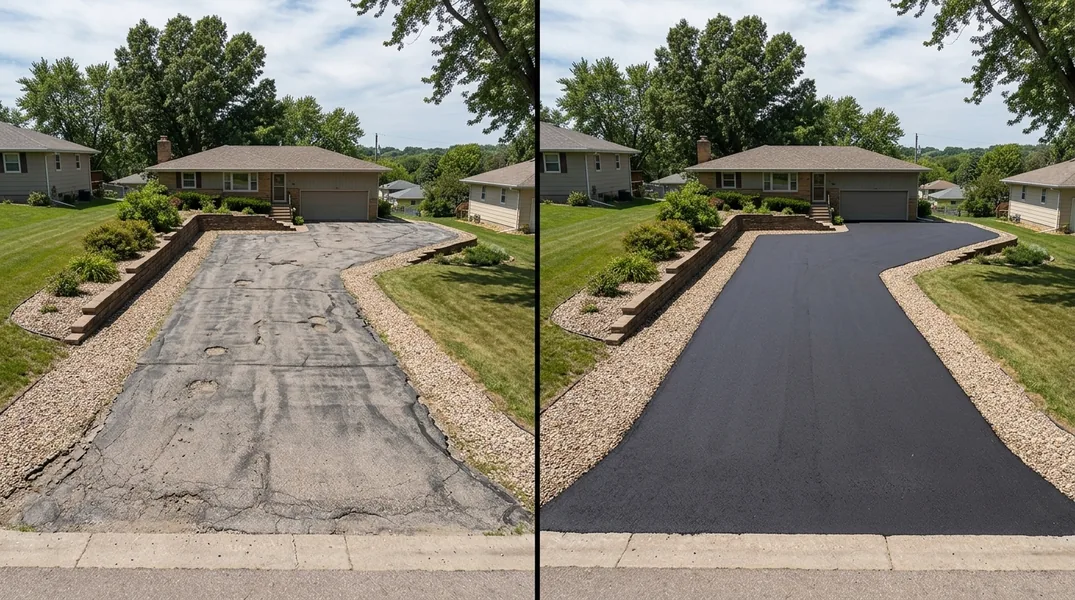
Potholes don't just appear randomly on driveways. They're the result of a specific sequence of events, and loess soil accelerates this process significantly. When water penetrates through small cracks in asphalt and reaches the loess soil beneath, it weakens the foundation. As vehicles drive over these weakened areas, the asphalt flexes and breaks apart. The loose pieces are displaced, creating the characteristic hole that grows larger with each passing vehicle.
The reason loess soil is so problematic is that it provides almost no structural support once it becomes saturated. Unlike compacted gravel or stable clay bases, loess offers minimal resistance to the downward pressure of traffic. This means that even minor cracks in your asphalt can quickly develop into serious damage requiring Pothole Repair & Asphalt Patching. In Sioux City, where loess is prevalent, homeowners must be especially vigilant about addressing small cracks before they become expensive problems. The combination of freeze-thaw cycles and the inherent weakness of saturated loess creates the perfect storm for accelerated driveway deterioration.
Repair or Replace: Making the Right Decision for Your Driveway
When your driveway starts showing signs of damage, the question becomes whether to repair it or replace it entirely. This decision depends on several factors, including the extent of damage, the age of the driveway, and the underlying soil conditions. For driveways in Sioux City built on loess soil, understanding these factors is especially important because the foundation itself is working against you.
If your driveway has only isolated cracks or a few potholes, repair options like patching may extend its life by several years. However, if you're seeing widespread cracking, multiple potholes, or significant settling caused by frost heave, replacement may be the more cost-effective long-term solution. When you repair or replace asphalt driveway surfaces on loess soil, proper preparation becomes critical. This includes ensuring adequate drainage, adding a stable base layer, and potentially using reinforced asphalt mixtures designed to handle the region's unique soil conditions.
The decision to repair versus replace should also consider how much longer you plan to stay in your home. If you're planning to sell soon, a full replacement with proper foundation work might increase your home's value. If you're staying long-term, strategic repairs combined with excellent maintenance might be the most economical choice. Either way, working with experienced professionals who understand loess soil challenges is essential. Sioux City Asphalt Paving has extensive experience with the unique soil conditions in our region and can help you make the right choice for your situation.
Proper Installation and Maintenance Strategies for Loess Soil
Installing a durable driveway on loess soil requires more than standard asphalt paving techniques. Asphalt Driveway Paving & Installation in areas with loess soil must include specific measures to combat the soil's inherent instability. This typically involves creating a proper base layer with compacted gravel or recycled asphalt, ensuring excellent drainage around the perimeter, and sometimes adding a moisture barrier to prevent water from saturating the loess below.
Maintenance is equally important. Regular seal coating protects asphalt from water penetration, which is critical when your foundation is as moisture-sensitive as loess. Filling cracks promptly prevents water from reaching the soil beneath. Maintaining proper drainage around your driveway, including clearing gutters and ensuring water flows away from the edges, significantly extends your driveway's lifespan. Many homeowners in Sioux City find that investing in preventative maintenance saves thousands of dollars in repair costs down the road.
If your current driveway is aging and showing signs of loess-related damage, Asphalt Resurfacing & Overlay might be a middle-ground option. This approach removes the damaged surface layer and applies new asphalt over a reinforced base, addressing many of the underlying issues while costing less than a complete replacement. The key is addressing problems before they become severe and choosing solutions specifically designed for our region's soil conditions.
When to Call a Professional Asphalt Contractor Near Me
Recognizing when your driveway needs professional attention is crucial, especially in an area where loess soil accelerates damage. If you notice new cracks appearing each season, potholes that reappear after patching, or visible settling and heaving, these are signs that the underlying soil is compromised. Attempting DIY repairs on loess-affected driveways often leads to temporary fixes that fail quickly, wasting time and money.
A professional contractor can assess whether your driveway is experiencing foundation issues related to loess soil and recommend appropriate solutions. They can evaluate drainage, inspect the base layer, and determine whether repair, resurfacing, or replacement is most appropriate for your specific situation. If you're in Sioux City and concerned about your driveway's condition, reaching out for a free estimate is the best first step. Contact Sioux City Asphalt Paving at (712) 717-5284 to discuss your driveway's unique challenges and get expert recommendations tailored to our region's soil conditions. Our team understands loess soil intimately and can help you make informed decisions about your driveway's future.
Looking for a professional asphalt paving contractor in Sioux City? Sioux City Asphalt Paving responds fast for all your asphalt paving needs.
Get a Free Quote